
Every room needs a sense of purpose. The right anchor piece—a sofa, bed, or table—can set the mood, shape the layout, and guide every other choice. In a season where mixed eras and tactile layers are trending, picking one strong piece gives your space a clear voice. Here’s how to find and style your room’s quiet anchor, with ideas for living, dining, and bedroom spaces.
Why One Anchor Piece Matters
A room with too many focal points can feel busy and unfocused. One strong piece acts as a visual anchor, grounding the space and giving it direction. It draws the eye, helps other items fall into place, and creates a sense of calm. Whether your taste leans modern, mid-century, or a blend, an anchor piece is the foundation for a cohesive, inviting room.
The Decision Process: How to Identify Your Anchor
- Assess the Room’s Function: What is the main activity? In living rooms, it’s usually lounging or gathering; in bedrooms, sleeping; in dining rooms, eating and entertaining.
- Identify the Largest or Most Used Piece: This is often the sofa, bed, or dining table. If your room is unconventional (like a studio), choose the piece that defines the space’s main use.
- Consider Visual Weight: The anchor should have enough presence to stand out, but not overwhelm. Look for clear shapes, timeless finishes, and a style you’ll love for years.
- Think About Placement: The anchor should be positioned to naturally guide the room’s flow—facing the entry, centered on a wall, or under a statement light.
Living Room: Start With the Sofa
In most living rooms, the sofa is the anchor. Choose one with a clear silhouette and a color that works with your palette. For a modern look, opt for clean lines and soft, tactile fabric. Place the sofa where it leads the room’s flow—often facing the main entry or focal wall. Layer in smaller tables, lamps, and art to support the anchor.
Example: The Elaine Sofa features a gently curved back, rounded arms, and a versatile light gray tone. Its mid-century modern style fits both warm and minimal rooms, making it a flexible anchor for many living spaces.
Styling Steps:
- Add a mid-century coffee table, like the Kidney Shaped Coffee Table (Walnut), for organic contrast.
- Layer in a nubby rug and soft throws for tactile depth.
- Use accent pillows in muted blues, greens, or blush for subtle color.
Bedroom: Let the Bed Set the Mood
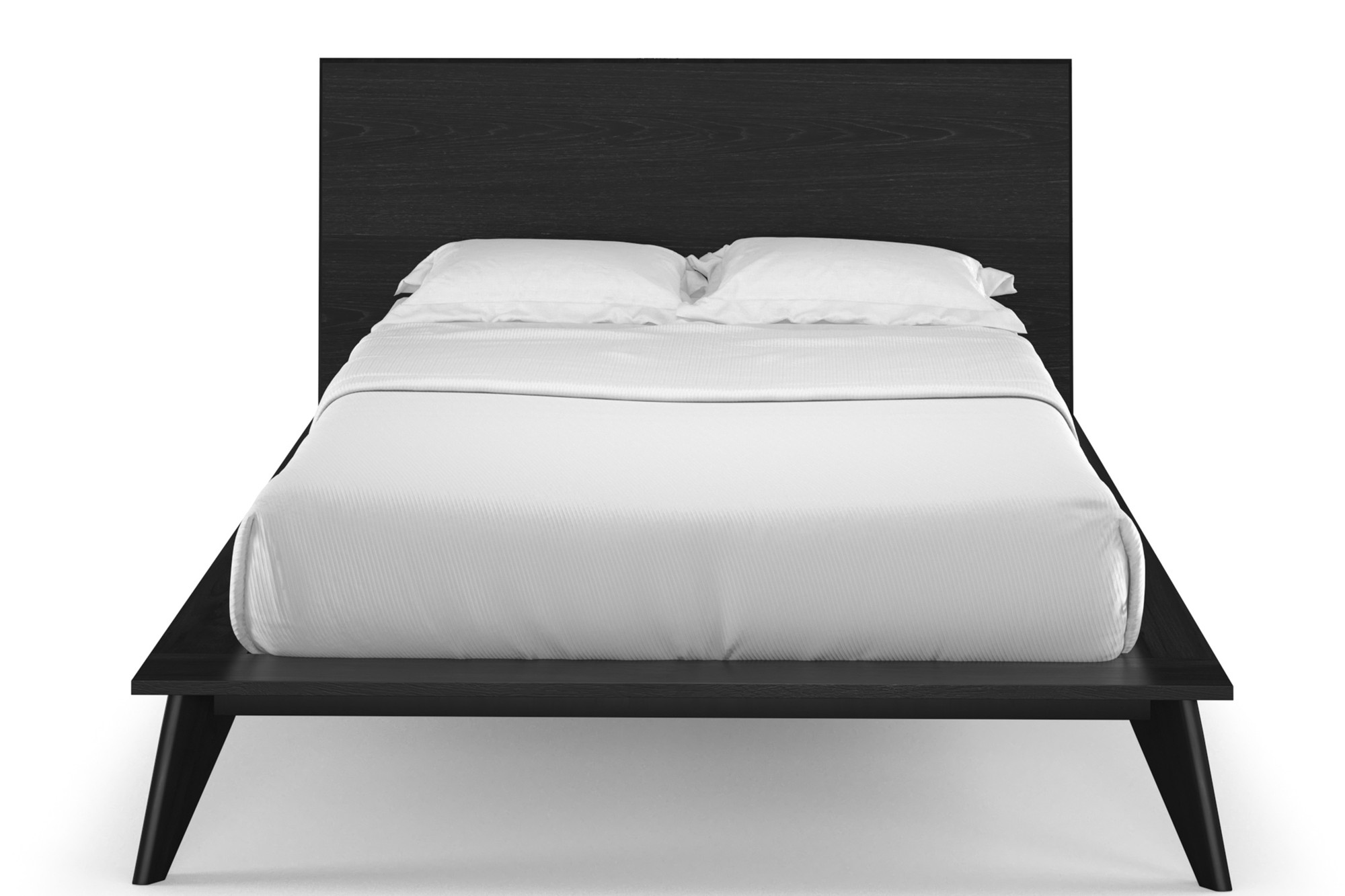
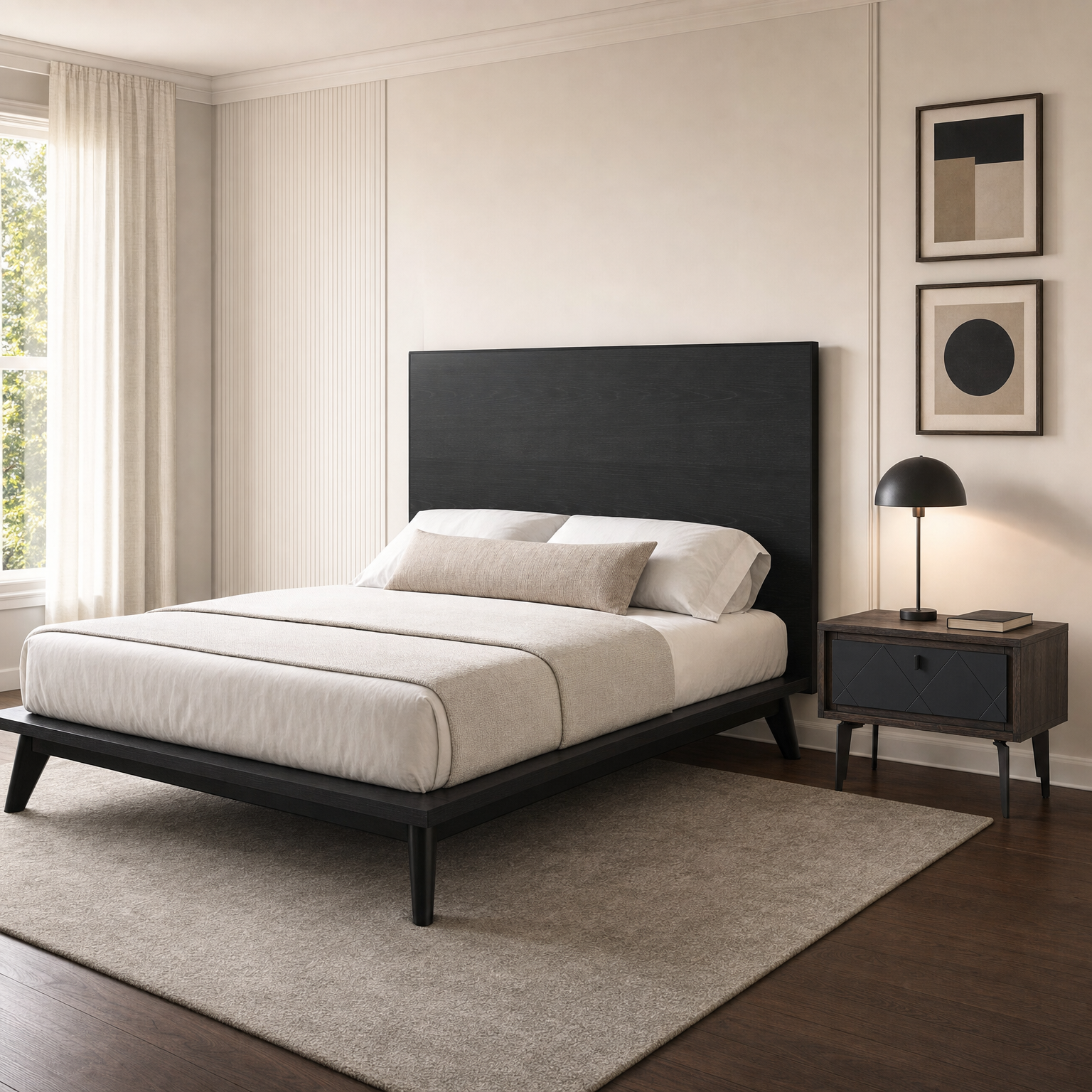
The bed is the natural anchor in any bedroom. Choose a frame that feels solid and calm. Matte black wood brings quiet strength and pairs well with both light and dark bedding. A low, modern bed grounds the space and makes it easy to add layers—think soft rugs, textured throws, and simple nightstands.
Example: The Sloane Bed in matte black wood offers a strong, modern base for your bedroom. Its clean lines and minimal detailing reflect a contemporary, restful retreat.
Styling Steps:
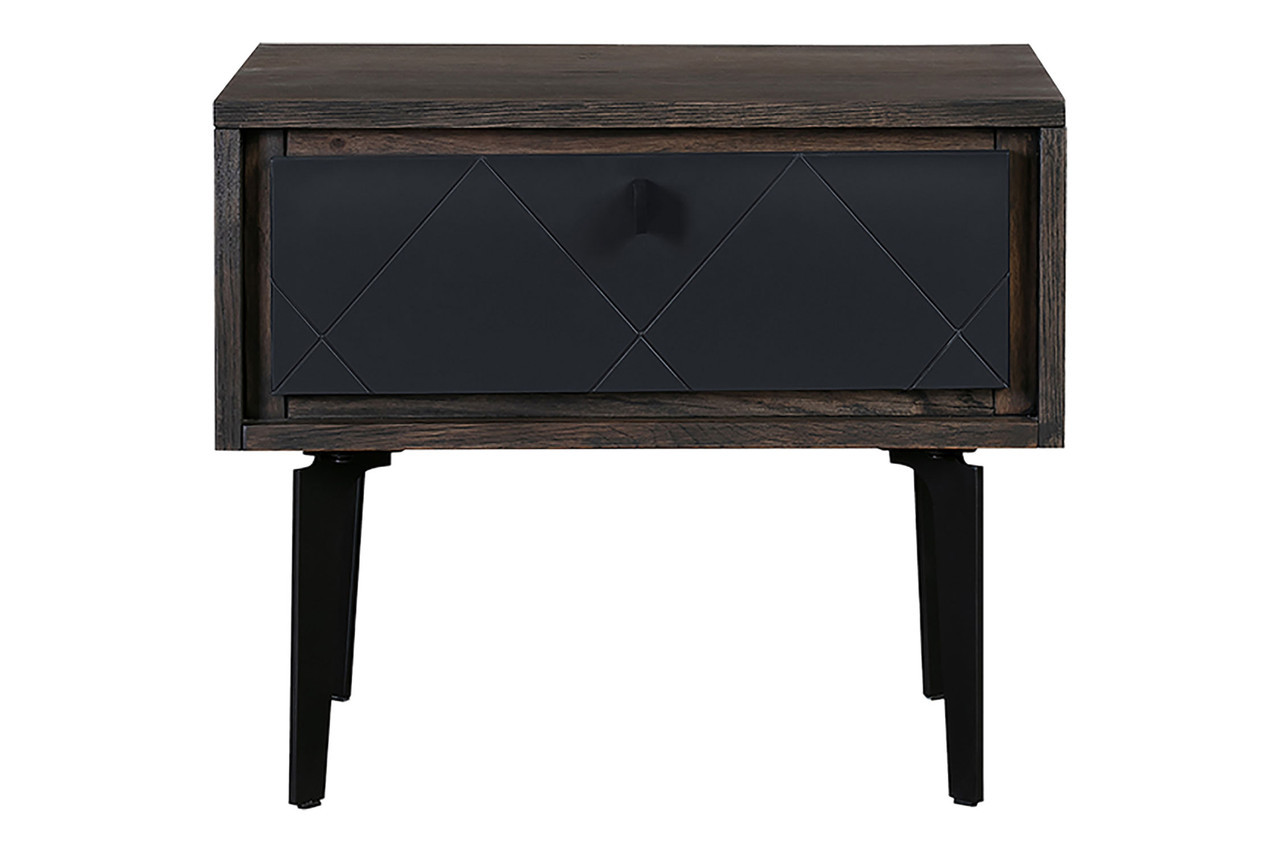
- Pair with a simple nightstand like the Christopher Nightstand in black or brown wood.
- Add warm neutral bedding and a textured area rug.
- Hang art or a statement mirror above the headboard for vertical balance.
Dining Room: Table as the Centerpiece
A dining table draws people in and sets the tone for meals. A round or oval table feels inviting and keeps the flow open. Glass and metal add a modern edge and reflect light, making the room feel larger. Pair with simple chairs for a balanced look. Let the table’s shape and finish guide the rest of your choices.
Example: The Ava 36" Bistro Table features a clear glass top and matte black metal base, offering a light, modern anchor for dining rooms.
Styling Steps:
- Surround with modern chairs in black, chrome, or clear acrylic for a cohesive look.
- Use a pendant light above the table to reinforce its centrality.
- Add a textured runner or centerpiece for warmth.
Mixing Eras and Textures
Once you have your anchor piece, layer in accents from other eras. Try a mid-century coffee table with a modern sofa, or a vintage-look rug under a sleek bed. Add tactile pieces—boucle, linen, or nubby rugs—to bring warmth and depth. This approach keeps rooms feeling personal and less staged.
For more on mixing eras, see The Art of Intentional Clutter: Mixing Eras in Every Room.
Styling Around Your Anchor: Practical Checklist
Once your anchor is set, build the room around it. Use this checklist to ensure your space feels cohesive and intentional:
- Echo or Contrast Lines: Choose side chairs, nightstands, or tables that either echo the anchor’s lines (curved with curved, straight with straight) or provide intentional contrast.
- Limit the Palette: Stick to a tight color palette for calm, or add one pop of color for energy.
- Layer Textures: Mix smooth and nubby, matte and shiny, soft and structured for depth.
- Balance Visual Weight: If your anchor is visually heavy (like a dark bed), balance with lighter textiles or art.
- Add Art and Lighting: Use wall art, mirrors, and lamps to reinforce the anchor’s presence and create layers.
- Leave Breathing Room: Don’t crowd the anchor. Negative space helps it stand out.
Concrete Decision Steps: Choosing and Placing Your Anchor
- Measure Your Room: Ensure your anchor fits comfortably, leaving space for movement and supporting pieces.
- Pick a Timeless Finish: Choose a color or material you’ll love for years—think warm woods, matte black, or versatile gray.
- Test Placement: Use painter’s tape to outline the anchor’s footprint before buying or moving.
- Visualize the Flow: Stand at the room’s entrance—does the anchor naturally draw your eye and organize the space?
- Build Outward: Add supporting pieces one at a time, checking that each relates to the anchor in shape, color, or texture.
Examples in Action
- Living Room: Start with the Elaine Sofa, add the Kidney Shaped Coffee Table (Walnut), layer a boucle throw, and finish with a modern floor lamp.
- Bedroom: Anchor with the Sloane Bed, add the Christopher Nightstand, a linen duvet, and a vintage-look rug.
- Dining Room: Center the Ava 36" Bistro Table, surround with minimal chairs, and hang a sculptural pendant above.
Quick Tips for Choosing Your Anchor
- Start with the largest piece in the room.
- Pick a finish or color you love for years.
- Let the anchor guide your layout.
- Layer in smaller pieces and textures.
- Mix eras for a lived-in, modern feel.
Final Thought: One Piece, Many Stories
A strong anchor piece is more than just furniture. It shapes the way you use and feel in a room. As trends shift toward personal, layered spaces, let your anchor piece set the tone. Build around it, mix in what you love, and your room will always feel considered.
Ready to find your anchor? Explore modern pieces at Inmod and start your room’s story.